

Apple at 50: How Cupertino rewired the modern technology industry
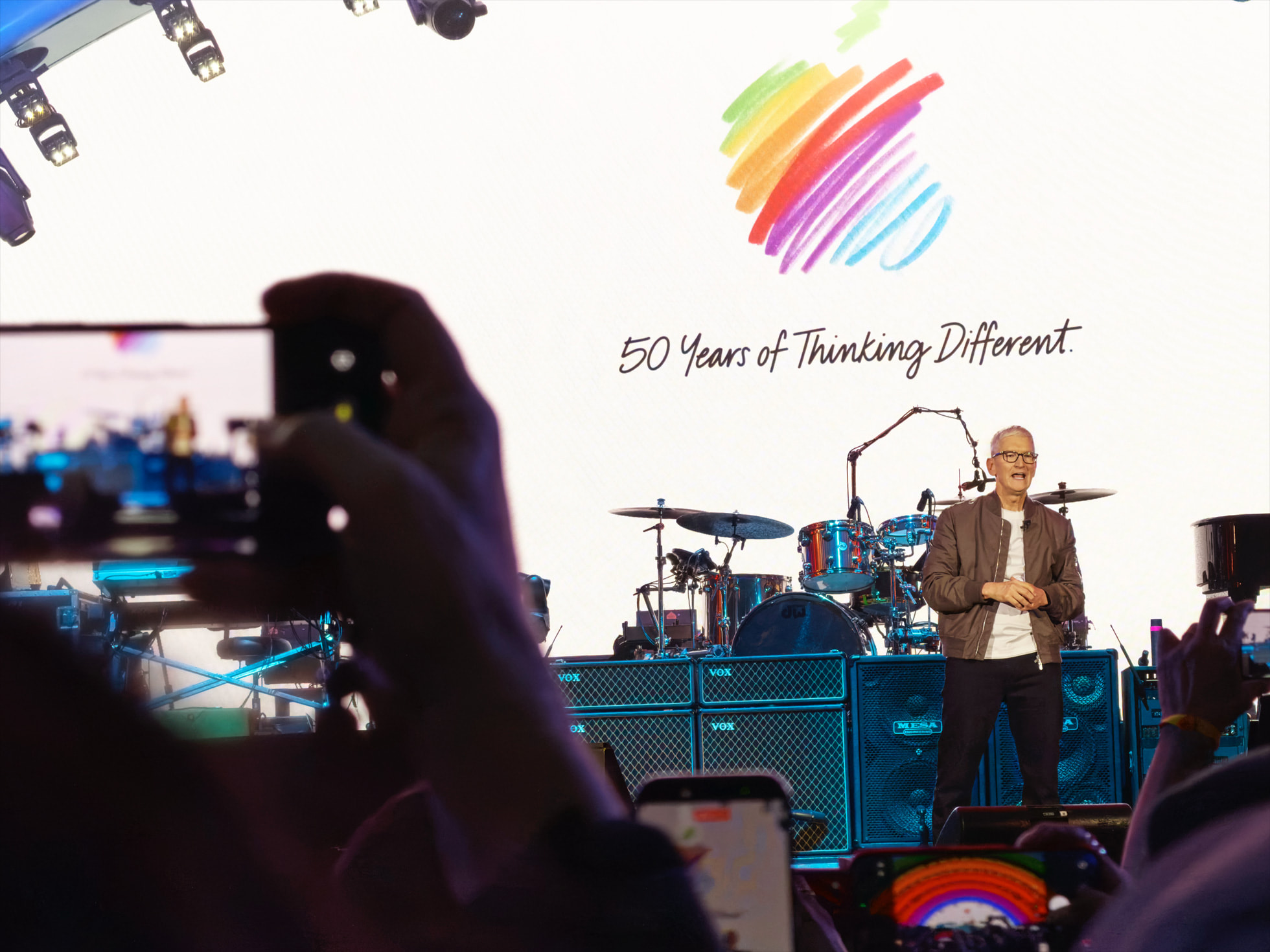
From personal computing and digital music to smartphones, wearables and services, Apple’s greatest achievement has been turning powerful technology into mass behaviour.
Apple’s 50th anniversary is more than a corporate milestone. It is a marker for how profoundly one company has shaped the modern relationship between people and technology. Founded on 1 April 1976 by Steve Jobs, Steve Wozniak and Ronald Wayne, Apple began as Apple Computer in a suburban garage. Half a century later, it stands as one of the defining forces in global technology, not simply because it built successful products, but because it repeatedly changed what consumers expected technology to do, and how seamlessly it should fit into everyday life.
Its first major transformation came in personal computing. The Apple II, launched in 1977, is widely regarded as the company’s first mass market success. It helped establish Apple’s reputation for blending capability with accessibility at a time when computing still felt technical and intimidating to most people. That philosophy continued with the Lisa in 1983, a commercially unsuccessful machine but an important one all the same, because it introduced a graphical user interface and mouse driven computing to a wider audience. Apple then took those lessons and delivered the Macintosh in 1984 at a lower price point, helping define a more intuitive future for the PC industry.
That early period matters because Apple did not merely sell computers, it reframed them. In an era dominated by hardware specifications, Apple pushed the idea that design, usability and human experience were strategic advantages. The company’s products suggested that computing should not be reserved for specialists. It should be visual, approachable and personal. That shift laid the groundwork for many of the digital transformation principles organisations still talk about today, including user centric design, simplified interfaces and technology that serves behaviour rather than forcing behaviour to adapt.
Apple’s second great act came in the early 2000s, when it evolved from a computer maker into a digital lifestyle company. The iPod’s arrival in 2001 did not create the portable music player category, but it perfected it for the mainstream. Combined with the later launch of the iTunes Store, Apple changed how digital music was bought, organised and consumed legally. In doing so, it showed the value of linking hardware, software and content into a single coherent experience. That model would become one of the most influential business strategies in modern technology.
If the iPod changed entertainment, the iPhone changed everything else. Introduced in 2007 as an iPod, a phone and an internet communicator in one device, the iPhone compressed multiple technologies into a product that reshaped the mobile market. Smartphones existed before Apple entered the category, but the iPhone redefined what a smartphone should be. It placed touch, software and services at the centre of the experience and turned the handset into the primary hub of digital life. Apple now sells roughly seven iPhones every second, a remarkable indicator of the device’s scale and cultural reach.
The launch of the App Store in 2008 extended that transformation even further. It converted the iPhone from a premium consumer device into a flexible software platform and helped create a multi billion dollar app economy. For enterprises, developers and start-ups alike, the App Store demonstrated the power of platform thinking. Apple did not just sell a phone, it enabled an ecosystem in which third parties could build services, reach users and create entirely new categories of digital business. In practical terms, this accelerated mobile first thinking across industries from banking and retail to healthcare and transport.
The iPad’s arrival in 2010 reinforced Apple’s ability to define categories rather than merely compete within them. By sitting between the smartphone and the laptop, it created a new kind of mobile computing experience for work, education and media consumption. Soon after, Apple launched iCloud, making file synchronisation, photo management and cross device continuity central to its ecosystem. This was a crucial step in digital transformation terms, because it made services and connected experiences as important as the hardware itself. Once users had their files, settings and content flowing across devices, the value of staying within the Apple environment became significantly stronger.
Under Tim Cook, Apple broadened that ecosystem into payments, health and subscriptions. Apple Pay, launched in 2014, pushed secure digital transactions into the mainstream by embedding hardware based security into everyday purchases. The Apple Watch followed in 2015 as the company’s first major post Jobs product category, eventually becoming the world’s top selling smartwatch and generating around US$15 billion in annual revenue. In parallel, Apple Music modernised the company’s music strategy for the streaming era with a catalogue now exceeding 100 million songs. Together, these products and services showed that Apple’s influence was no longer limited to devices. It was shaping habits across commerce, wellness and media.
Not every move succeeded. The butterfly keyboard, introduced in 2015, became a notable reliability failure and was eventually scrapped in 2019. More recently, the Vision Pro, released in 2024, was praised as a technical feat but struggled to gain broad consumer traction because of its high US$3,500 price and cumbersome form factor. Yet even these missteps underline a broader truth about Apple’s place in the industry. It is one of the few technology companies large enough, and influential enough, to set the agenda simply by entering a category, whether or not the first version immediately becomes a mass market hit.
As Apple enters its second half century, its strategy is increasingly defined by integrated services, internal chip design, AI powered experiences such as Apple Intelligence, and a deeper emphasis on sustainability, education and community impact. The central story, however, remains consistent. Apple transformed the world of tech by making advanced computing feel intuitive, desirable and indispensable. It taught the industry that innovation alone is not enough. To change the market, technology must also change behaviour. On that measure, few companies in history have had a bigger impact.



1 Comment.
[…] security led positioning may be where Fujitsu has its strongest competitive angle. Many AI vendors are talking about agents, orchestration and autonomous decision making, but fewer are addressing […]